Driving the news: McKinney, Texas residents are fighting to recall four city council members. The trigger: a unanimous Aug. 4 vote approving a mosque relocation for the McKinney Islamic Association. The proposed site is a 5-acre tract on Virginia Parkway. It would include a 37,000-square-foot facility designed for 3,000 people.
About a week after the vote, petitioners filed to recall Mayor Bill Cox and Council Members Justin Beller, Geré Feltus, and Ernest Lynch. The stated ground: 'a loss of public confidence' in the officers named.
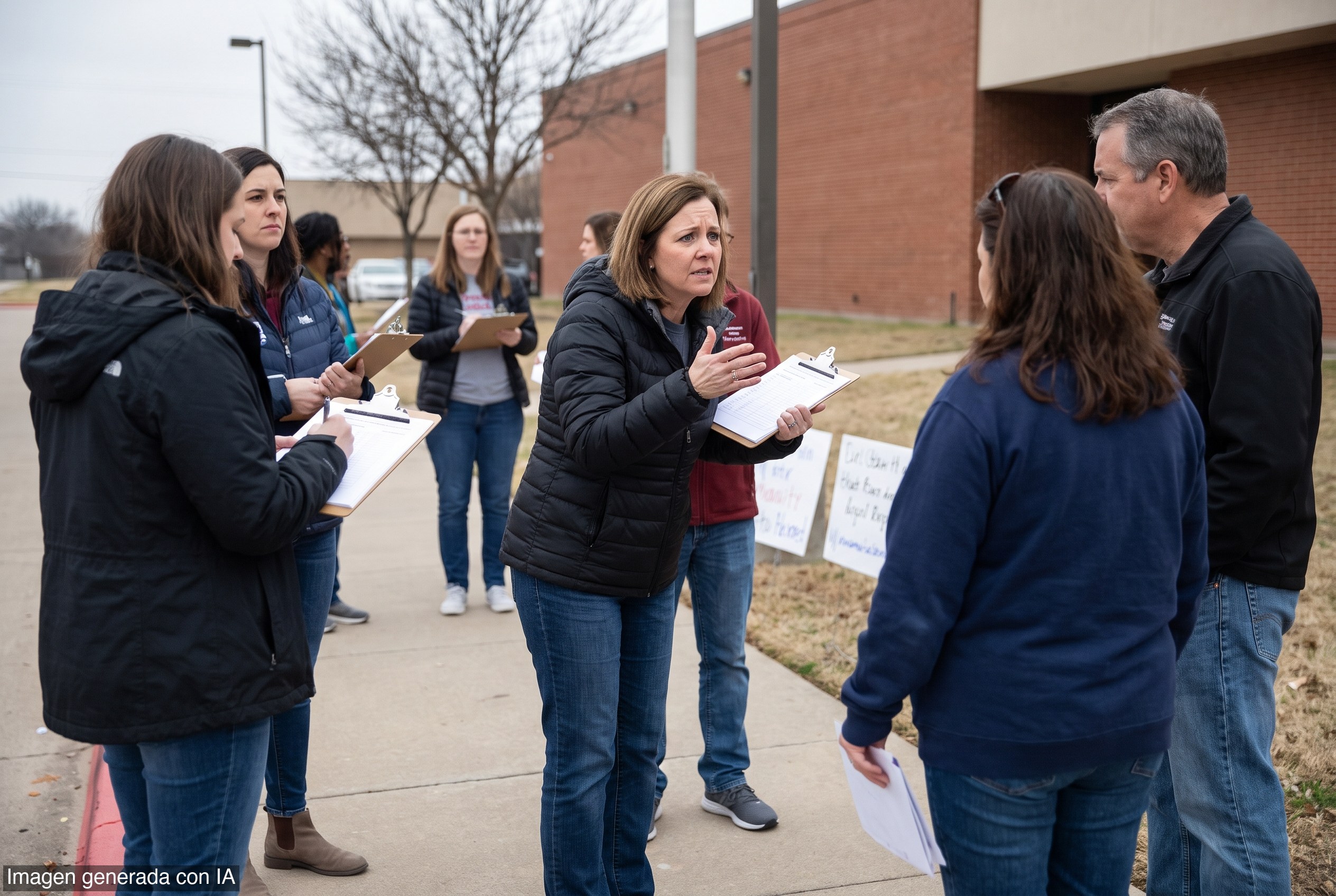
Between the lines: The recall fight has gotten personal. Petition volunteer Ashley Marie told the Daily Signal that businesses hosting signature tables were flooded with calls until they backed out. Signers were filmed. Names were posted online.
Former Mayor George Fuller is leading the opposition. He posted on Facebook that petition signatures — including names and addresses — become public record once filed. He called it informing residents, not intimidating them. 'I have never advocated harassment, threats, or retaliation against anyone who signs,' Fuller said.
Fuller also shared a video he says was provided to him. Marie disputes his characterization of it. She says her photo was placed over another woman's audio. 'That's how they tried to pin a lie on me,' she said.
In a separate post, Fuller raised questions about three recall supporters and included one supporter's arrest record.
The bottom line: Whatever one thinks of the mosque vote, the right to petition government is foundational. Flooding businesses with calls, filming citizens at signature tables, and publishing arrest records to discredit opponents are pressure tactics — not civic debate. Free enterprise and free speech run on the same principle: participation should not come with a punishment.