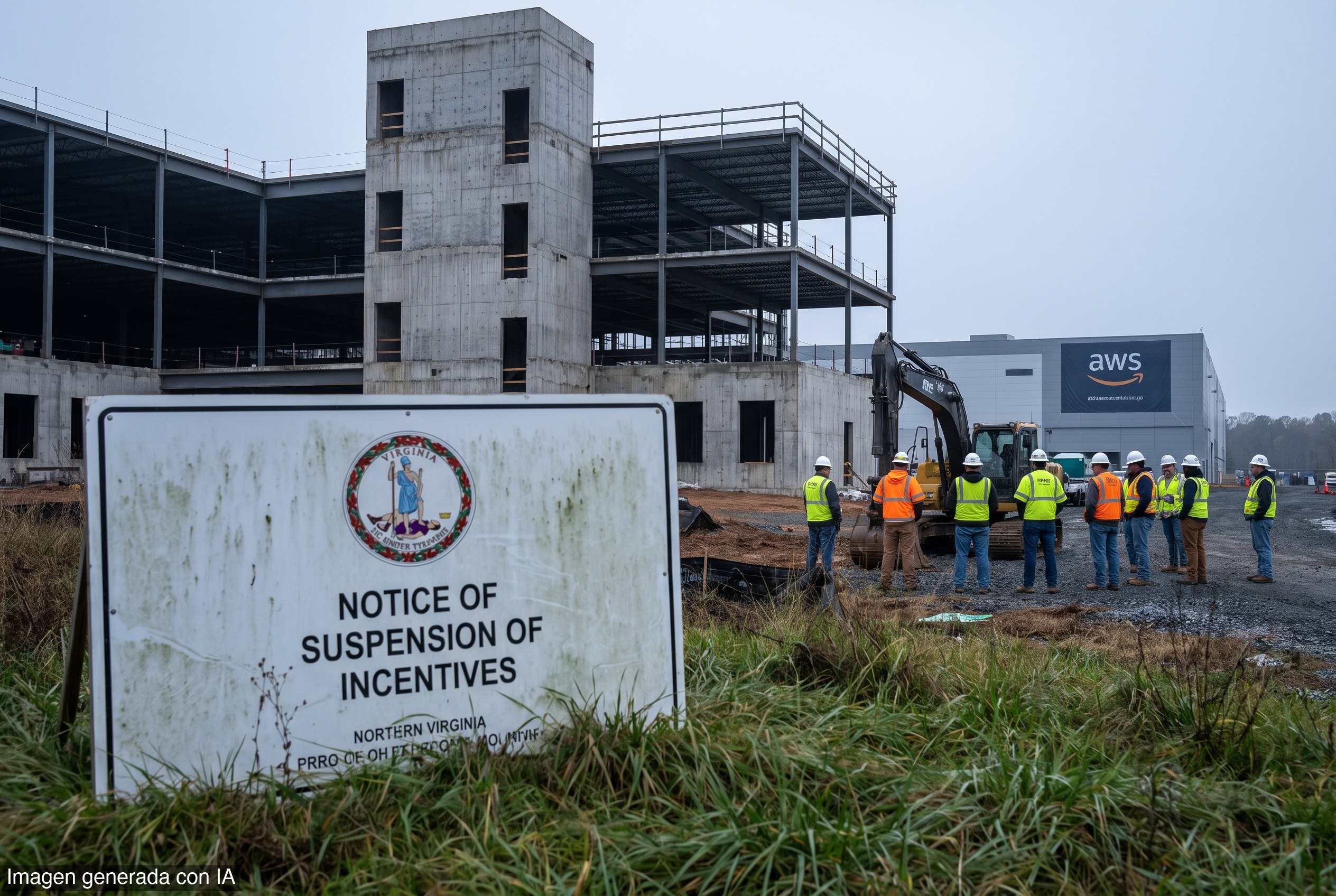
Driving the news: States that spent years competing to attract data centers are now pulling back the tax breaks that made those deals possible — spooked by soaring costs and local backlash over power and water demands.
By the numbers: - Ohio's data center sales-tax exemption cost more than $1.5 billion in 2025 — over 10 times the state's original estimate. Republican Gov. Mike DeWine paused new applications in May. - Virginia projected $1.94 billion in lost sales-tax revenue from its exemption for fiscal year 2025. - New Jersey made $500 million in tax credits available, then moved to eliminate the remaining $250 million just two years later. - Illinois, Washington, and Texas also moved to scrutinize or halt incentives. - More than 35 states currently offer sales-tax exemptions or similar benefits to data center developers.
The other side: Amazon says it invested $19.7 billion in Ohio AI and cloud infrastructure, supported more than 6,400 full-time equivalent jobs annually, and paid $9.2 million in Ohio property taxes and fees in 2024.
President Trump urged communities to embrace data centers, arguing they generate investment and wealth.
The bottom line: Tax incentives are a legitimate tool for economic development — but only when the math holds. Ohio's 10x cost overrun is a cautionary tale about promises made without fiscal guardrails. The real question isn't whether to compete for AI investment; it's whether states structure deals that protect taxpayers while keeping free enterprise in play. Blanket reversals risk chasing capital to friendlier jurisdictions — and leaving communities with neither the jobs nor the tax base they were promised.