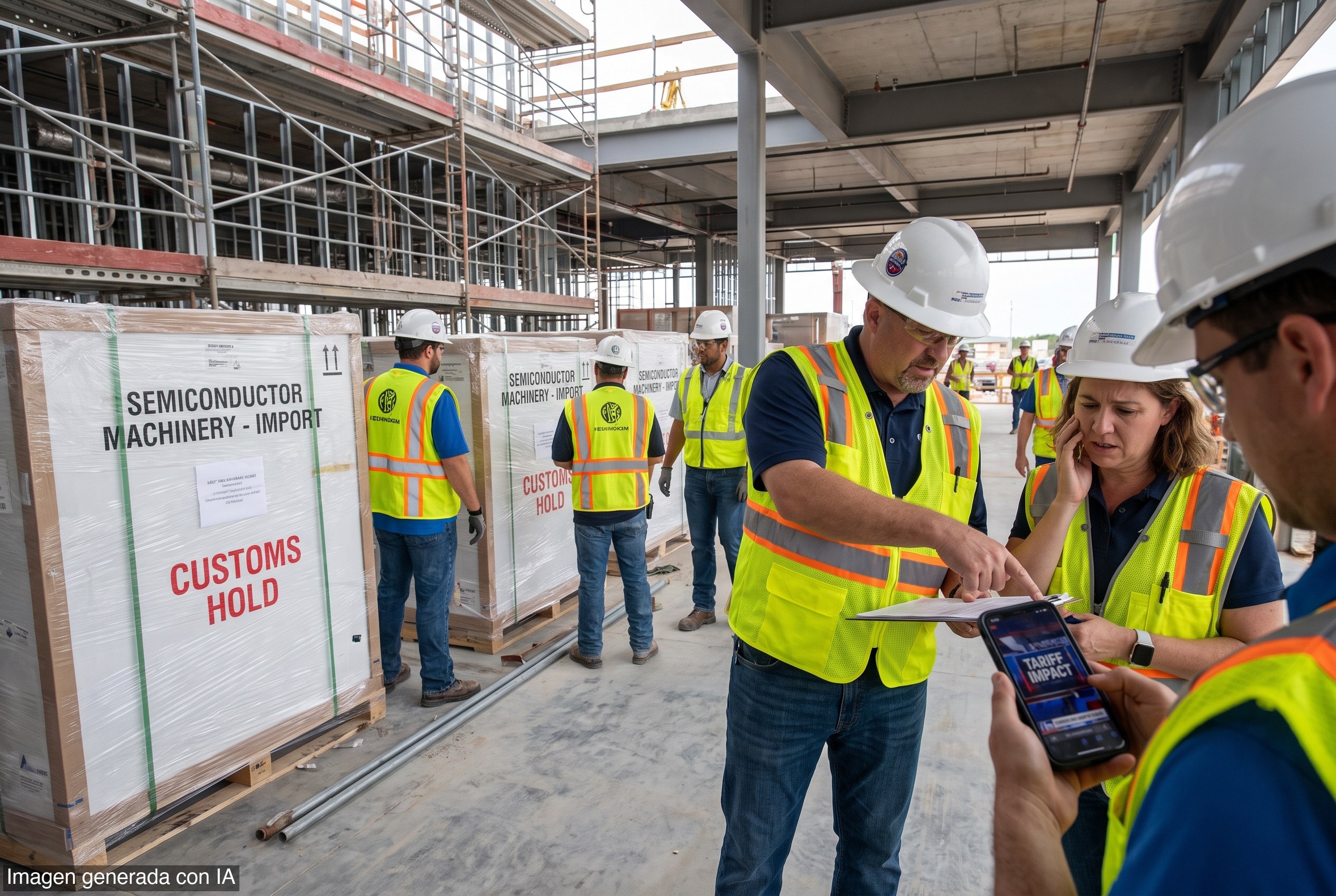
President Trump has taken steps to rebuild American semiconductor supply chains, including targeted Section 232 actions and policies meant to encourage domestic investment. The result, per the source material, is more investment, stronger manufacturing, and better trade and security ties.
But the policy edge is getting sharper. Semiconductors still move through globally integrated supply chains, and building fabrication plants takes years and costs tens of billions of dollars. The problem is timing: if tariffs rise before enough domestic capacity exists, the cost of making things in the U.S. can go up instead of down.
The Information Technology & Innovation Foundation warned that the tariff plan would cut Information and Communication Technology consumption by 26%, hitting businesses, workers, and capital investment. It also said a 50 percent tariff on semiconductors would reduce U.S. GDP by more than $122 billion in the first year and by a cumulative $4.4 trillion over 10 years.
Why it matters: semiconductors sit inside missile defense, secure communications, satellites, radar, cybersecurity infrastructure, and other AI-enabled systems. Higher input costs can delay procurement, weaken readiness, and raise costs across the defense industrial base.
The big picture: reshoring is a real goal, but it is not instant. The market can build capacity, but only if policy does not choke off the inputs that make that growth possible. Policymakers should give the current effort time to work before turning tariffs into a tax on the next generation of American manufacturing.