Driving the news: The U.S. negotiated a deal with Syria, Israel, and Turkey to remove nuclear material from a clandestine Syrian storage site known as 'Site 99,' Axios reported. The International Atomic Energy Agency will carry out the extraction.
What's in the site: The material includes yellowcake — powder from uranium ore that can be enriched but cannot by itself become a nuclear weapon. Israel's core fear: it could be weaponized into a dirty bomb.
How it happened: - Talks began between the U.S. and Israel, who agreed Syrian government approval was essential. - The new Syrian government was reportedly unaware the material even existed — a sign of how little it inherited from Assad's regime. - Urgency spiked when Israel observed movement at the site weeks ago, raising the prospect of a second Israeli bombing run. - The U.S. brought in the IAEA, which agreed to safely extract the material.
By the numbers: The Assad government pursued its nuclear program in the mid-2000s with North Korean assistance. Israel destroyed the main Al Kibar reactor in 2007 in Operation Outside the Box.
What's next: 'We think everybody is happy with the result. Hopefully we will be able to kick off the removal process soon and end it before the end of the year,' a U.S. official told Axios.
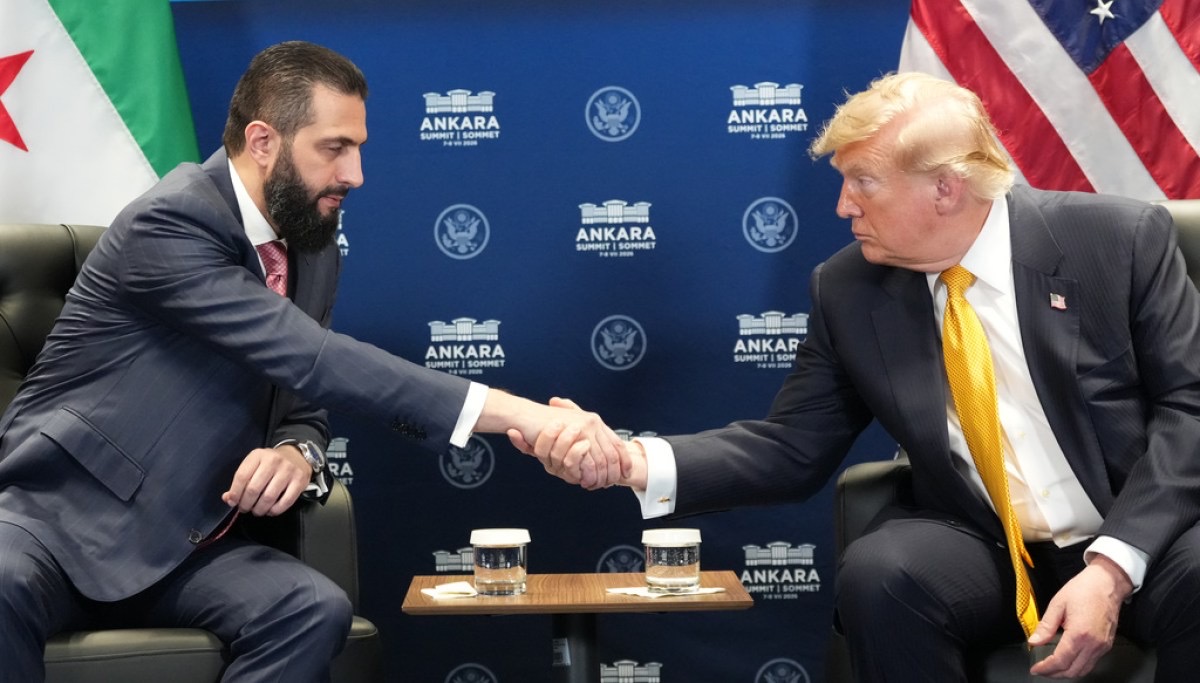
The bottom line: This is quiet, effective statecraft — four governments coordinating to neutralize a proliferation risk without a shot fired. The Trump administration's bet on engaging Ahmed al Sharaa's government, however uncomfortable ideologically, produced a concrete security result. Free-market democracies win when diplomacy keeps dangerous material out of non-state hands.